Nijmegen Leads the Green Wave: GroenLinks' Strong Performance Across Dutch Student Towns
The political landscape in the Netherlands has witnessed a significant shift, particularly within its vibrant student cities. Recent elections have unveiled a clear trend: a resounding vote of confidence for GroenLinks, the Dutch green party. While their success resonated across numerous academic hubs,
GroenLinks Nijmegen stands out as a prime example, showcasing the powerful influence of student demographics on electoral outcomes. This comprehensive analysis dives into the factors behind this green surge, focusing on Nijmegen's pivotal role and exploring what these results signify for future policy and political discourse.
The collective voice of young voters, often dismissed as transient or disengaged, has undeniably shaped the political narrative in these urban centers. From the bustling streets of Amsterdam to the historic canals of Leiden, and prominently in the leafy city of Nijmegen, GroenLinks emerged as the dominant force, reflecting a deep-seated desire for progressive change, environmental action, and social justice. This article will unravel the threads of this electoral success, offering insights into the motivations of student voters and the broader implications for the Dutch and European political spectrum.
The Green Tide: GroenLinks Dominance in Key Student Cities
The recent polls painted a vivid picture of GroenLinks' widespread appeal among the student population. Far from being an isolated incident, the party's success in Nijmegen was part of a broader phenomenon that swept across many of the Netherlands' most populous university towns. GroenLinks proudly claimed the top spot in an impressive list of cities, including Amsterdam, Delft, Eindhoven, Groningen, Leiden, Maastricht, Rotterdam, Tilburg, Utrecht, Wageningen, and, of course, Nijmegen.
This geographical spread highlights a consistent preference for the green agenda among students, irrespective of the specific regional characteristics. In these dynamic urban environments, where innovation, critical thinking, and a forward-looking perspective are cultivated, GroenLinks' message of sustainability, equality, and social progress clearly resonated. The party’s platform, which often champions ambitious climate targets, robust social safety nets, and inclusive policies, aligns seamlessly with the values often held by younger generations navigating complex global challenges.
Even in cities where GroenLinks didn't secure first place, their performance was remarkably strong. In The Hague and Breda, for instance, while the VVD (People's Party for Freedom and Democracy) ultimately took the lead, GroenLinks emerged as a very close second, demonstrating significant inroads into traditionally more conservative territories. Furthermore, in Enschede, despite the agricultural-focused BoerBurgerBeweging (BBB) claiming the top spot, GroenLinks still secured an impressive second place, pushing the Labour Party (PvdA) into third. This consistent high performance underscores a fundamental shift in political allegiances among young urbanites, positioning GroenLinks as a formidable force in Dutch politics.
Why Nijmegen Students Chose Green: Unpacking the Vote
The success of
GroenLinks Nijmegen is particularly instructive. Nijmegen, known for its vibrant university, picturesque surroundings, and strong focus on sustainability, embodies many of the ideals that GroenLinks champions. Its demographic profile, dominated by a large student population from Radboud University and HAN University of Applied Sciences, provides fertile ground for progressive ideologies. But what specific factors drove these students to cast their votes for GroenLinks?
Several key issues likely played a crucial role:
*
Environmental Urgency: Students today are acutely aware of the climate crisis and its potential impact on their future. GroenLinks' unwavering commitment to aggressive climate action, renewable energy, and biodiversity protection directly addresses these concerns. The party's proposals for sustainable urban development, green infrastructure, and reducing carbon footprints align with the aspirations of a generation that views climate change not as a distant threat but as an immediate priority.
*
Social Justice and Equality: Beyond environmental issues, GroenLinks' platform also emphasizes social justice, anti-discrimination, and inclusive policies. For many students, who often hail from diverse backgrounds and hold progressive social values, these tenets are non-negotiable. The party's stance on human rights, refugee policies, and gender equality resonates deeply within academic communities that value diversity and fairness.
*
Affordable Housing Crisis: Student cities, including Nijmegen, are grappling with severe housing shortages and skyrocketing rents. While GroenLinks' specific housing policies might vary, their general approach often leans towards more governmental intervention, rent control, and building affordable student housing – solutions that directly appeal to a demographic struggling to find suitable and affordable accommodation.
*
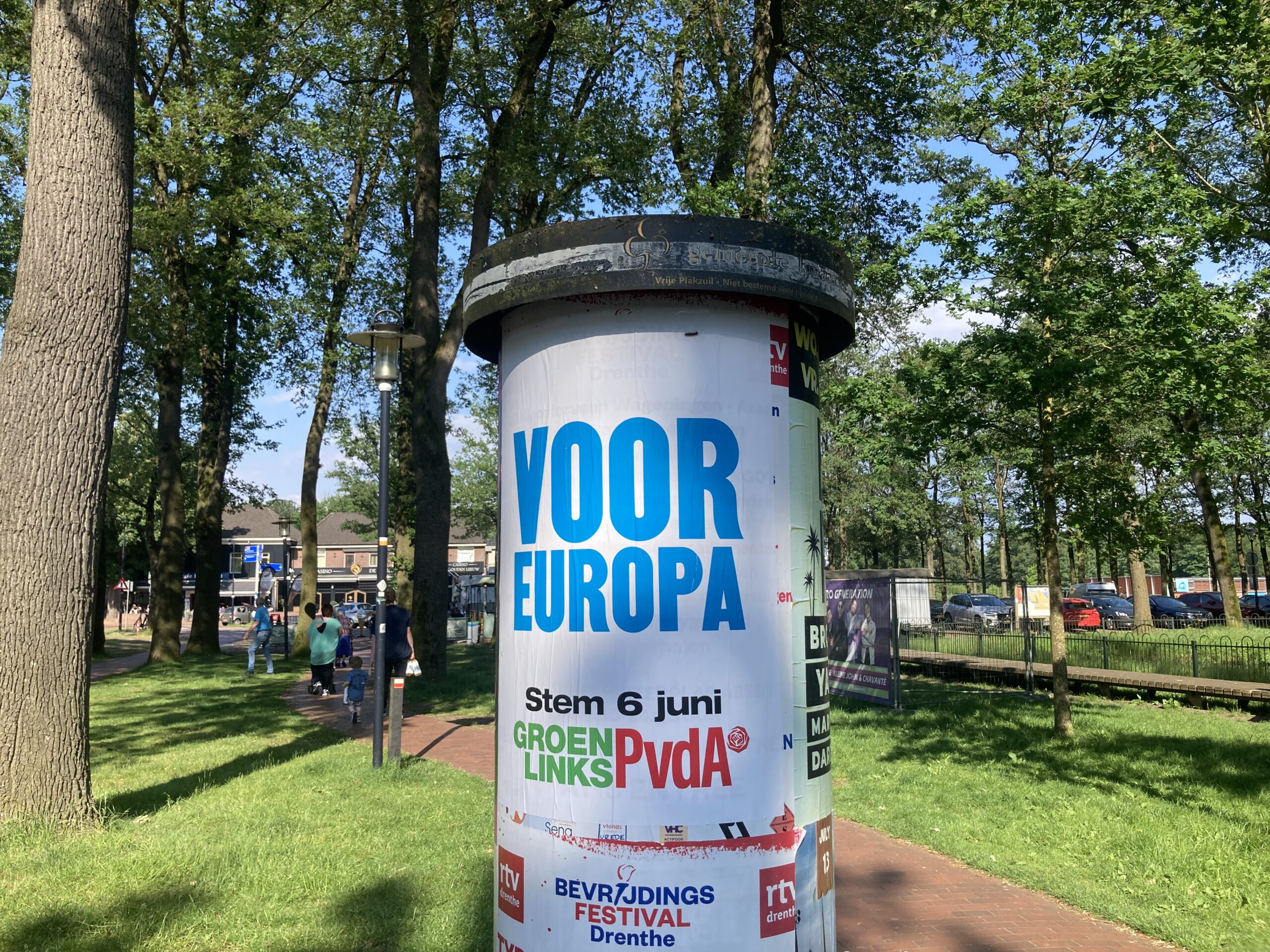
European Cooperation: The context of European elections (as hinted in the initial reference) also plays a part. GroenLinks, often campaigning as part of the GroenLinks-PvdA list, advocates for stronger European cooperation to tackle cross-border issues like climate change and economic inequality. Students, many of whom identify as European citizens and envision their futures within a united Europe, are often more inclined to support parties that champion European integration and collective action. Bas Eickhout, the prominent Dutch leader on the European Green Party list, likely amplified this message.
Nijmegen's specific characteristics, such as its long-standing reputation as a bike-friendly city and its numerous green initiatives, also create an environment where green politics feel natural and effective. Students arriving in Nijmegen are immersed in a culture that already values sustainability, making the step to vote for a green party a logical extension of their lived experience. For more detailed insights into why students specifically voted green, readers might find
GroenLinks Sweeps Nijmegen: Why Student Cities Voted Green particularly relevant.
Beyond Nijmegen: A National Trend with European Implications
The strong showing of GroenLinks in student cities like Nijmegen is not merely a localized phenomenon; it signals a broader national trend and carries significant European implications. The confluence of GroenLinks and PvdA for European elections underscores a strategic alignment that aims to amplify a progressive voice on the continental stage. This alliance, led by figures like Bas Eickhout, advocates for increased European investment in sustainable initiatives, social policies, and a robust, united European response to global challenges.
The enthusiasm for GroenLinks in student strongholds suggests a potent reservoir of support for parties advocating for a stronger, greener Europe. These young voters are not just concerned with national issues; they are global citizens keenly aware of international crises and the need for coordinated action. Their vote for GroenLinks reflects a desire for European leadership on climate change, human rights, and sustainable economic development – themes central to the European Green Party's agenda.
This trend provides valuable lessons for political parties across the spectrum. Engaging with younger demographics requires understanding their priorities, which are often centered on long-term sustainability, social equity, and genuine international cooperation. Parties that fail to address these concerns risk alienating a significant and growing portion of the electorate. The consistent performance of GroenLinks in student cities is a clear indicator that these issues are not niche concerns but foundational pillars for many future voters. To delve deeper into the specific voting patterns, consider reading
GroenLinks' Victory in Nijmegen: A Deep Dive Into Student Polls.
What This Means for Future Policy and the Political Landscape
The electoral success of
GroenLinks Nijmegen and its counterparts across other student cities holds tangible implications for both local and national policy-making, as well as the broader political landscape:
1.
Increased Focus on Green Policies: With such a clear mandate from a significant demographic, local governments in these cities, even if not led by GroenLinks, will likely feel pressure to adopt or accelerate green initiatives. This could translate into more aggressive climate targets, investment in public transport and cycling infrastructure, stricter environmental regulations for businesses, and urban planning focused on sustainability.
2.
Youth Engagement as a Priority: Political parties and campaigns will increasingly recognize the importance of engaging young voters. This means tailoring messages to address youth concerns, utilizing digital platforms effectively, and empowering student voices in policy discussions. Ignoring this demographic would be a strategic misstep.
3.
Shaping the National Agenda: The strong performance in student cities can influence the national political agenda. As these young voters mature, their preferences will continue to shape election outcomes, potentially pushing national parties towards more progressive stances on environmental and social issues.
4.
Tips for Future Campaigns:
*
Authenticity is Key: Young voters are discerning; superficial promises won't cut it. Campaigns must demonstrate genuine commitment to issues like climate change and social justice.
*
Digital Native Approach: Leverage social media, influencers, and interactive online content to connect with students where they are.
*
Local Relevance: While global issues matter, showing how policies will impact local student life (e.g., housing, public spaces) is crucial.
*
Empowerment, Not Paternalism: Treat students as active participants in shaping the future, not just recipients of policy.
This strong performance acts as a compelling indicator of the values and priorities of a significant segment of the Dutch population, one that is becoming increasingly influential.
Conclusion
The remarkable performance of GroenLinks in Nijmegen and other student cities across the Netherlands is a defining moment in contemporary Dutch politics. It underscores the growing political clout of young voters and their unwavering commitment to environmental sustainability, social justice, and a strong, united Europe.
GroenLinks Nijmegen stands as a powerful symbol of this green wave, demonstrating how targeted messaging and alignment with core values can galvanize an often underestimated demographic. As these students graduate and enter the broader workforce, their progressive leanings are poised to continue shaping the political landscape for decades to come, ensuring that green and social issues remain at the forefront of policy debates, both nationally and across the European Union.